
You notice small changes first. A little more tooth sensitivity with cold water. Gums that bleed when you brush. A dry mouth that makes it harder to chew, speak, or sleep well. None of this feels dramatic at the start, which is why it is easy to put off. Still, oral health changes with age, and small problems have a way of turning into painful and expensive ones when they sit too long. For those exploring care options, a Tidal Aligners provider in Dearborn Heights may also be worth considering.
Aging does not mean losing your teeth or living with constant dental trouble. It does mean your mouth needs different attention than it did years ago. Medications can dry out your mouth. Arthritis can make brushing harder. Gum disease can progress quietly. The good news is simple. A few steady habits, regular checkups with a general dentist, and quick action when something feels off can protect your teeth and gums for years.
Healthy aging and oral health depend on daily habits that still work
The basics still matter, even if your routine has changed. Brushing twice a day with fluoride toothpaste and cleaning between your teeth once a day remain the foundation of good oral care. If floss is hard to manage, interdental brushes or floss holders can make the job easier. The CDC’s oral health tips for adults stress the same point because plaque does not get less stubborn with age.
Skipping one night here and there may not seem like a big deal. Then plaque hardens into tartar, gums stay inflamed, and decay starts near the gumline, which is common in older adults. You may feel fine until a tooth cracks, a filling fails, or a gum infection starts affecting how you eat.
Dry mouth can raise your risk for cavities and gum disease
Dry mouth is more than annoying. Saliva protects your teeth by washing away food particles and helping control acid. When saliva drops, bacteria have an easier time doing damage. Many common medicines for blood pressure, allergies, depression, and pain can cause this problem.
You might blame thirst, mouth breathing, or the weather, but persistent dryness deserves attention. Sipping water often, limiting alcohol and tobacco, and asking your dentist or doctor whether a medication could be the cause can help. The National Institute on Aging explains practical ways to take care of your teeth and mouth as you get older, including how to manage dry mouth before it leads to bigger problems.
Gum health often decides whether your teeth stay strong as you age
Many adults worry most about cavities, but gum disease is often the bigger threat later in life. It can start with redness, swelling, or bleeding, then move deeper and affect the bone that supports your teeth. Because it is often painless early on, people miss it until teeth feel loose or chewing becomes uncomfortable.
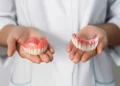
This is where routine dental visits matter. A general dentist can spot early gum changes, clean below the gumline when needed, and help you adjust your home care before damage builds. If you wear dentures or partials, gum checks still matter. Irritation, poor fit, and trapped bacteria can create a cycle of soreness and infection.
Diet and tobacco habits shape oral health in older adults
What you eat and drink shows up in your mouth fast. Frequent sweets, sticky snacks, and sugary drinks feed the bacteria that cause decay. Tobacco raises the risk of gum disease, tooth loss, slow healing, and oral cancer. Alcohol can make dry mouth worse, which adds another layer of risk.
You do not need a perfect diet. You need one that gives your teeth fewer acid attacks and your body enough support to heal. Crunchy vegetables, dairy or other calcium rich foods, lean proteins, and water do more for your mouth than most people realize. If chewing is difficult, softer healthy foods still work better than a steady stream of processed snacks.
Home care and professional dental care work best together
| Oral Health Need | At Home | With a General Dentist |
|---|---|---|
| Plaque control | Brush twice daily and clean between teeth once a day | Remove hardened tartar and check for missed areas |
| Dry mouth | Drink water often and use saliva-friendly products | Review cavity risk and suggest treatment options |
| Gum disease | Watch for bleeding, swelling, or bad breath | Measure gum pockets and treat infection early |
| Dentures or partials | Clean them daily and remove them as directed | Check fit, irritation, and tissue health |
| Tooth pain or sensitivity | Avoid triggers and do not ignore symptoms | Find the cause before it becomes an emergency |
If you have been trying to handle everything at home, that makes sense. Dental visits can feel easy to delay when nothing hurts much yet. The problem is that many issues tied to healthy teeth as you age stay quiet until they need more time, more treatment, and more money.
Three steps can protect your smile starting now
1. Upgrade your daily routine. Use fluoride toothpaste, a soft toothbrush, and a tool that helps you clean between your teeth consistently. If your hands ache or grip is weak, switch to an electric toothbrush. MedlinePlus offers clear guidance on how to care for your teeth and gums when routine care needs to be simpler and easier to manage.
2. Pay attention to dry mouth, bleeding, and sensitivity. These are early warning signs, not minor annoyances. Write down when they happen, what seems to trigger them, and whether a new medication started around the same time. That gives your dentist useful clues fast.
3. Keep regular dental visits on the calendar. Preventive care costs less than treating advanced decay, gum disease, or broken teeth. If you wear dentures, have implants, or have a history of gum problems, staying on schedule matters even more. This is one of the most reliable ways to support oral health for seniors and avoid preventable setbacks.
A healthy smile can last longer than you think
Your mouth changes with age, but decline is not automatic. Most people need reassurance as much as they need a plan, especially when symptoms creep in slowly and life is already full. Consistent home care, attention to warning signs, and support from a dentist give you a real path forward.
If your smile has been asking for more care lately, take that seriously and schedule a visit with a general dentist. Early care is easier, calmer, and far less costly than waiting until the problem demands your full attention.