
A professional dental cleaning is meant to leave your teeth feeling smooth, polished, and refreshed. So it can be confusing when your teeth feel rough or slightly uneven afterward. Many patients notice this sensation and assume something went wrong, but in most cases, it is a normal and temporary experience.
Understanding why your teeth feel rough after a cleaning can help you manage expectations and maintain better oral health.
What Happens During a Professional Cleaning?
A dental cleaning typically involves two key steps:
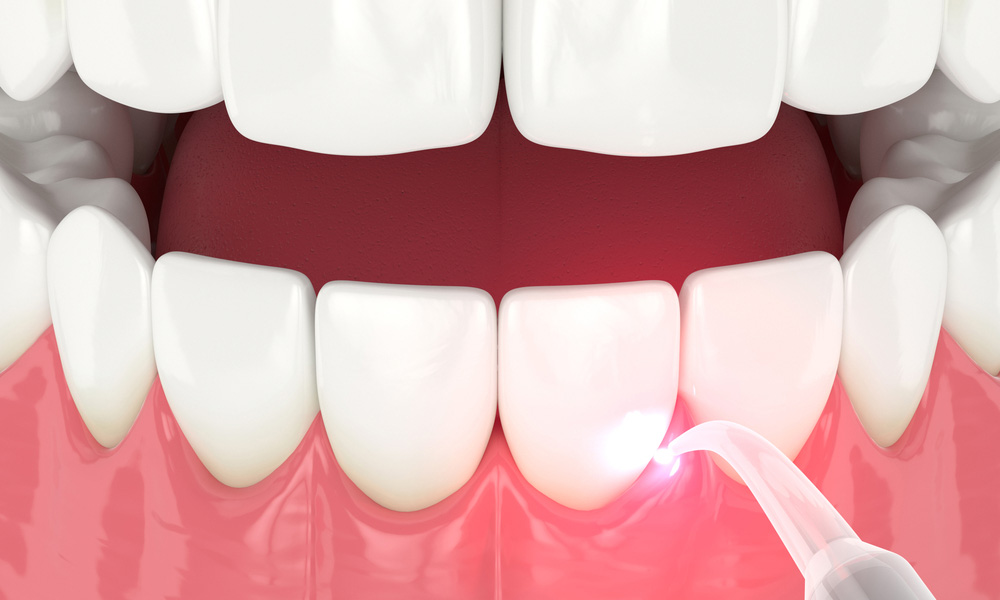
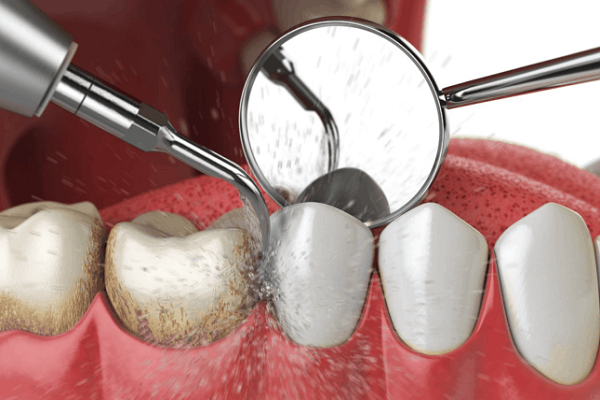
- Scaling: Removal of plaque and hardened tartar (calculus) from the tooth surface and along the gumline
- Polishing: Smoothing the teeth using a gritty paste to remove surface stains
These steps are designed to restore cleanliness and reduce the risk of gum disease. However, the process can temporarily change how your teeth feel.
Common Reasons Teeth Feel Rough After Cleaning
1. Tartar Removal Reveals Natural Tooth Texture
Before cleaning, tartar buildup may cover parts of your teeth, making them feel artificially smooth. Once this buildup is removed, your natural enamel texture becomes noticeable.
What you feel:
- Slight unevenness or texture
- Increased awareness of tooth surfaces
This is actually a positive sign that your teeth are clean.
2. Exposure of Previously Hidden Areas
Cleaning removes layers of plaque and tartar that may have been masking small grooves or contours.
Result:
- Teeth feel different than before
- Spaces between teeth may feel more noticeable
Your mouth is simply adjusting to a cleaner and more natural state.
3. Mild Enamel Sensitivity
After cleaning, enamel may feel slightly sensitive, especially if tartar was removed from near the gumline.
Effects include:
- Rough or chalky sensation
- Increased sensitivity to temperature
This usually subsides within a few days.
4. Gum Recession or Changes
If you have mild gum recession, cleaning can make exposed root surfaces more noticeable.
Why it matters:
- Root surfaces are naturally rougher than enamel
- You may feel a different texture near the gumline
This is not caused by the cleaning but revealed by it.
5. Polishing Limitations
While polishing smooths teeth, it does not completely eliminate all natural irregularities.
Important to know:
- Teeth are not perfectly flat surfaces
- Minor texture variations are normal
Over-polishing is avoided to protect enamel, so some texture may remain.
6. Temporary Dehydration of Teeth
During cleaning, teeth can become slightly dehydrated, especially with air exposure.
Impact:
- Teeth may feel dry or rough temporarily
- Normal moisture levels return quickly
This effect is short-lived and harmless.
7. Residual Cleaning Paste or Debris
Sometimes, a small amount of polishing paste may remain on the teeth.
What you may notice:
- Slight grainy or rough feeling
- Unusual texture that disappears after brushing
A simple rinse or brushing usually resolves this.
When Roughness Might Indicate a Problem
While most cases are normal, there are situations where roughness may require attention.
Persistent Rough Spots
If the rough feeling does not improve after a few days, it could indicate:
- Remaining plaque or tartar
- Minor enamel damage
- Early signs of tooth decay
Sharp or Uneven Edges
If you feel sharp edges or discomfort:
- A filling or restoration may need adjustment
- Tooth wear or chipping could be present
Ongoing Sensitivity
If sensitivity continues for more than a week:
- Enamel may be weakened
- Gum recession could be progressing
In these cases, a follow-up visit is recommended.
How Long Does the Rough Feeling Last?
For most people, the rough sensation is temporary and fades within a few days as your mouth adjusts. Your tongue, which is highly sensitive, simply needs time to adapt to the cleaner surfaces.
Maintaining good oral hygiene will help restore the smooth feel more quickly.
How to Make Your Teeth Feel Smooth Again
Brush Properly
Use a soft-bristled toothbrush and gentle technique to avoid irritation while keeping teeth clean.
Floss Daily
Flossing removes debris between teeth and helps maintain smooth surfaces.
Stay Hydrated
Drinking water helps maintain saliva flow, which naturally smooths and protects teeth.
Use a Fluoride Toothpaste
Fluoride strengthens enamel and can reduce sensitivity, improving overall texture.
Avoid Acidic Foods Temporarily
Acidic foods can increase sensitivity and make roughness more noticeable right after cleaning.
Preventing Future Texture Issues
Regular Dental Cleanings
Routine cleanings prevent excessive tartar buildup, reducing dramatic texture changes.
Consistent Oral Hygiene
Daily brushing and flossing keep surfaces smooth and healthy.
Early Treatment of Dental Issues
Addressing small problems early prevents more noticeable changes later.
The Role of Your Tongue in Perception
Your tongue is extremely sensitive and quickly detects changes in your mouth. After cleaning, it may focus more on areas that feel different.
This heightened awareness is temporary and does not indicate a problem. As your brain adapts, the sensation fades.
Benefits of Clean Teeth Despite the Rough Feeling
Even if your teeth feel slightly rough initially, professional cleaning provides significant benefits:
- Removal of harmful plaque and tartar
- Reduced risk of gum disease
- Fresher breath
- Improved overall oral health
The long-term advantages far outweigh the short-term sensation.
Final Thoughts
Feeling roughness on your teeth after a professional cleaning is usually normal and temporary. It often results from the removal of tartar, exposure of natural tooth surfaces, and minor sensitivity changes.
Instead of being a concern, this sensation is often a sign that your teeth are cleaner and healthier than before. With proper care and a little time, your teeth will regain their smooth and comfortable feel.
If the roughness persists or causes discomfort, consulting your dentist ensures that any underlying issues are addressed promptly. Staying consistent with oral hygiene and regular check-ups will help you maintain a clean, smooth, and healthy smile.