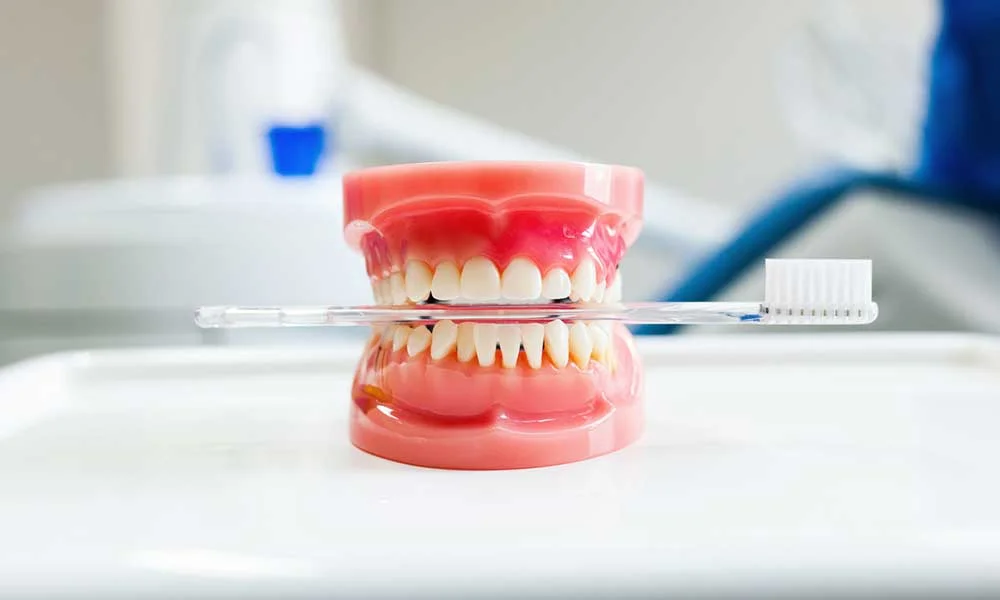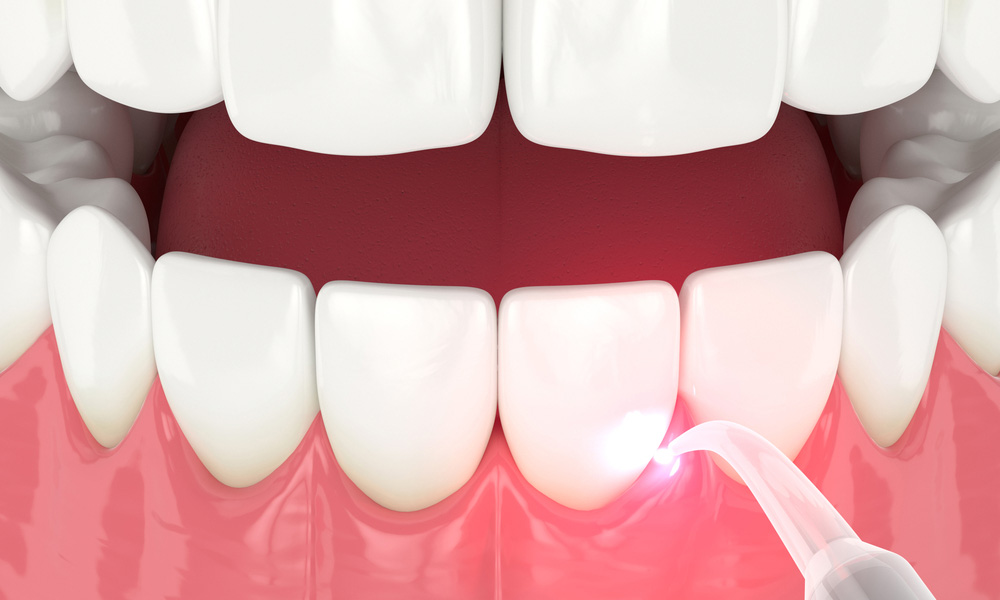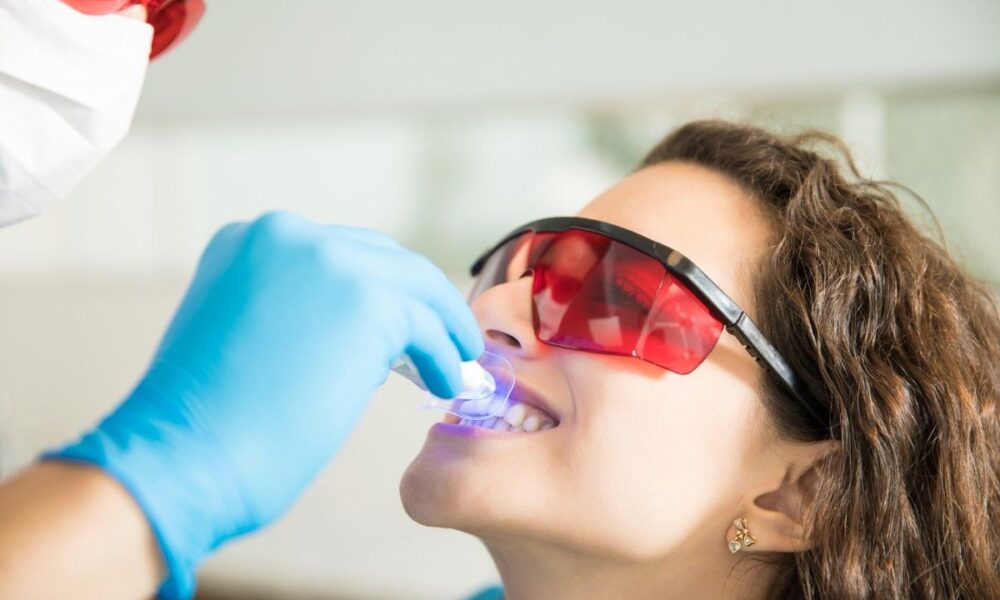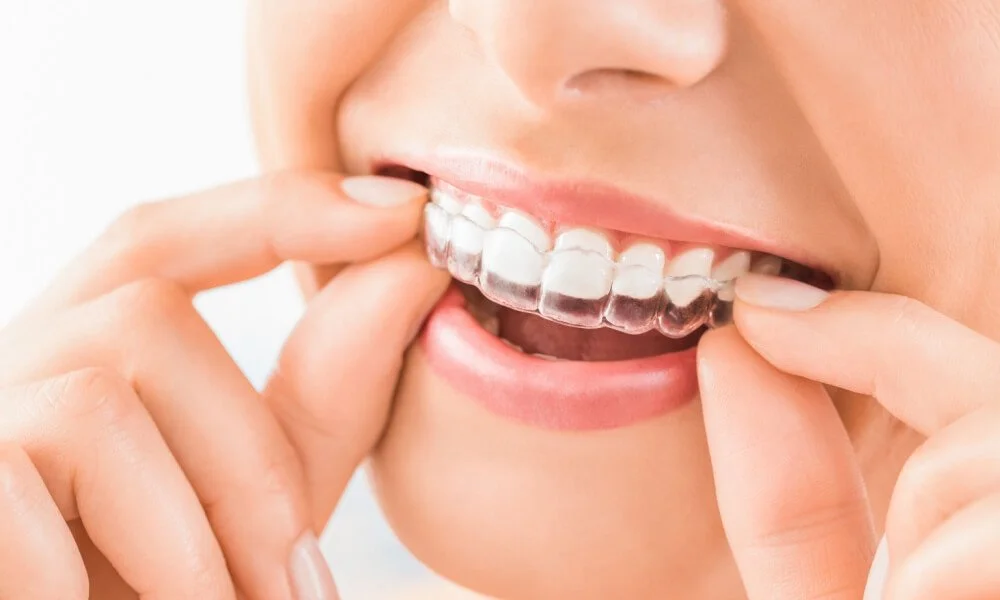

Regular dental cleanings are a key part of maintaining oral health, yet many people delay or skip them due to busy schedules, fear, or the assumption that daily brushing is enough. While brushing and flossing are essential, they cannot fully replace professional cleaning. Skipping teeth cleaning for a full year can lead to gradual but significant changes in your oral health.
Understanding what happens over time can help you make better decisions and avoid long-term dental problems.
Why Professional Teeth Cleaning Matters
Professional dental cleaning removes plaque and tartar that cannot be eliminated through regular brushing alone. It also helps detect early signs of oral issues before they become serious.
Without these cleanings, harmful buildup continues to accumulate, increasing the risk of various dental conditions.
Month-by-Month Changes in Your Mouth
First 1–3 Months: Plaque Buildup Begins
In the initial months, plaque starts to accumulate on tooth surfaces, especially in hard-to-reach areas.
What happens:
- Thin film of bacteria forms on teeth
- Slight dullness in tooth appearance
- Early signs of bad breath
At this stage, damage is minimal and reversible with proper care.
3–6 Months: Tartar Formation
If plaque is not removed, it hardens into tartar (calculus), which cannot be removed at home.
Effects include:
- Yellow or brown deposits on teeth
- Increased bacterial activity
- Gum irritation and mild inflammation
Tartar creates a rough surface that attracts even more plaque, accelerating the problem.
6–9 Months: Gum Inflammation (Gingivitis)
As tartar builds up along the gumline, it begins to irritate the gums.
Symptoms:
- Red, swollen gums
- Bleeding during brushing or flossing
- Persistent bad breath
This stage is known as gingivitis, which is still reversible with professional treatment.
9–12 Months: Early Gum Disease
If left untreated, gingivitis can progress to early periodontal disease.
What changes:
- Gums start pulling away from teeth
- Formation of pockets where bacteria accumulate
- Increased sensitivity
At this stage, damage begins to affect supporting structures of the teeth.
Long-Term Effects After One Year
Skipping cleaning for a year can lead to noticeable and sometimes serious oral health issues.
1. Persistent Bad Breath
Bacteria trapped in plaque and tartar release unpleasant odors, leading to chronic bad breath that brushing alone cannot fix.
2. Tooth Discoloration
Stains from food, drinks, and smoking become more pronounced, making teeth appear dull and unhealthy.
3. Increased Risk of Cavities
Plaque contains acids that weaken enamel, increasing the likelihood of tooth decay.
4. Gum Disease Progression
Untreated gum inflammation can advance to periodontitis, which may cause bone loss and tooth mobility.
5. Tooth Sensitivity
Exposed roots and weakened enamel can lead to discomfort when consuming hot or cold foods.
6. Potential Tooth Loss
In severe cases, prolonged neglect can result in loose teeth and eventual tooth loss.
Why Brushing Alone Is Not Enough
Even with excellent brushing habits, certain areas of the mouth are difficult to clean effectively.
Limitations of home care:
- Cannot remove hardened tartar
- May miss tight spaces between teeth
- Does not address bacteria below the gumline
Professional tools and techniques are necessary to maintain complete oral hygiene.
Impact on Overall Health
Oral health is closely linked to overall health. Skipping dental cleanings can increase the risk of systemic issues.
Possible connections include:
- Increased inflammation in the body
- Higher risk of heart-related conditions
- Worsening of diabetes control
- Spread of oral infections
Maintaining oral hygiene is not just about teeth but overall well-being.
Psychological and Lifestyle Effects
Neglecting dental care can also affect confidence and daily interactions.
Common issues:
- Hesitation to smile due to discoloration
- Social discomfort بسبب bad breath
- Reduced self-esteem
These factors can impact both personal and professional life.
What Happens When You Finally Visit the Dentist?
After skipping cleanings for a year, your dental visit may involve more than a routine cleaning.
Possible treatments:
- Deep cleaning (scaling and root planing)
- Treatment for gum disease
- Filling cavities
- Addressing sensitivity or damage
The longer you delay, the more complex and costly the treatment may become.
How to Recover After Skipping a Year
If you have missed your dental cleanings, it is never too late to get back on track.
Steps to take:
- Schedule a dental appointment as soon as possible
- Follow recommended treatments
- Improve daily oral hygiene habits
- Maintain regular check-ups moving forward
Early action can prevent further damage and restore oral health.
How Often Should You Get Teeth Cleaning?
Most dentists recommend professional cleaning every 6 months. However, some individuals may need more frequent visits depending on their oral health condition.
Factors influencing frequency:
- Gum health
- Tartar buildup rate
- Lifestyle habits such as smoking or diet
Your dentist can provide personalized recommendations.
Tips to Maintain Oral Health Between Visits
- Brush twice daily using proper technique
- Floss regularly to clean between teeth
- Use an antibacterial mouthwash if recommended
- Limit sugary and acidic foods
- Stay hydrated to support saliva production
Consistency in these habits reduces the risk of buildup and disease.
Final Thoughts
Skipping teeth cleaning for one year may not seem like a major issue at first, but the effects gradually build up and can lead to serious oral health problems. From plaque accumulation and gum inflammation to potential tooth loss, the consequences can become increasingly difficult to manage over time.
Regular dental cleanings, combined with good daily habits, are essential for maintaining a healthy smile. Taking preventive steps today can save you from discomfort, costly treatments, and long-term complications in the future.