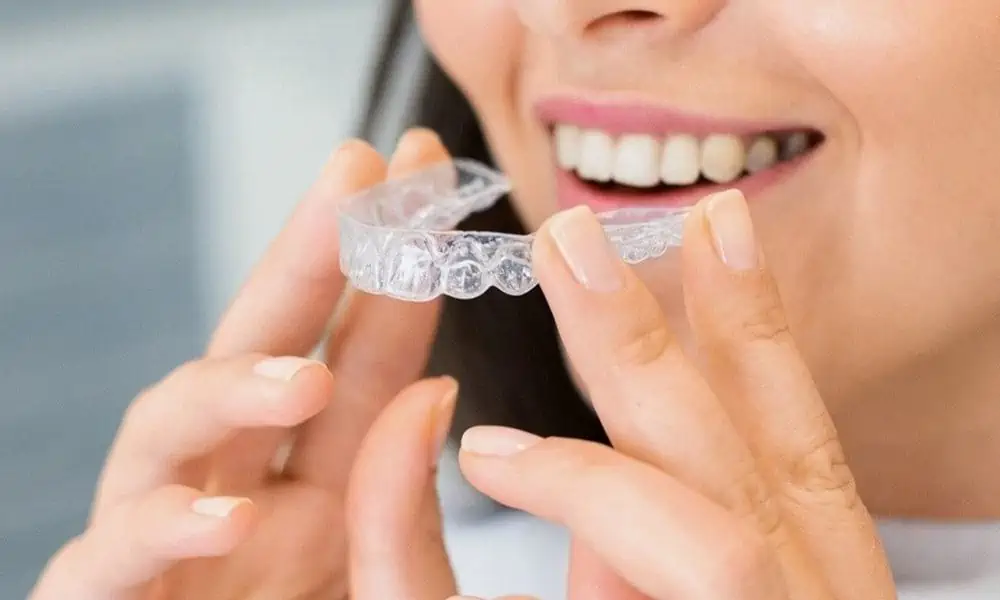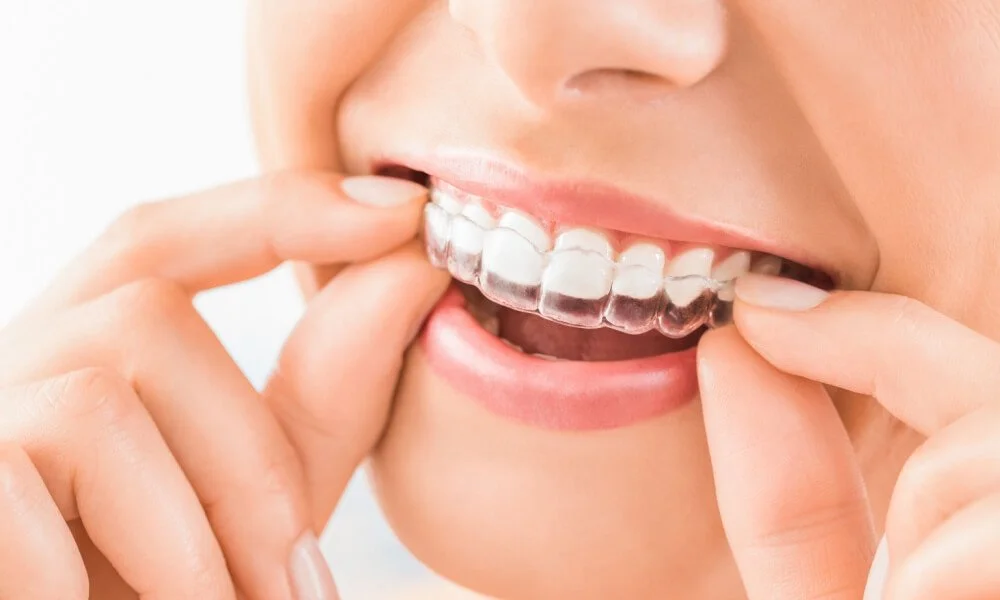

Invisalign aligners are designed to be clear, discreet, and comfortable. However, without proper cleaning, they can quickly become cloudy, develop odors, and even harbor bacteria. The challenge is maintaining cleanliness without damaging the delicate material of the trays.
Cleaning Invisalign aligners correctly not only keeps them invisible but also protects your oral health and ensures your treatment stays on track.
Why Proper Cleaning Matters
Invisalign aligners sit tightly over your teeth for 20 to 22 hours a day. This creates an environment where:
Bacteria can build up
Food particles can get trapped
Saliva can cause plaque accumulation
If not cleaned properly, aligners can:
Turn yellow or cloudy
Develop unpleasant smells
Increase the risk of cavities and gum issues
Proper cleaning keeps both your aligners and your mouth healthy.
Daily Cleaning Routine
A consistent routine is the most important part of aligner care.
Rinse Every Time You Remove Them
Always rinse your aligners with lukewarm water when you take them out.
This helps to:
Remove saliva and debris
Prevent buildup from drying onto the trays
Avoid hot water, as it can warp the plastic and ruin the fit.
Brush Gently Twice a Day
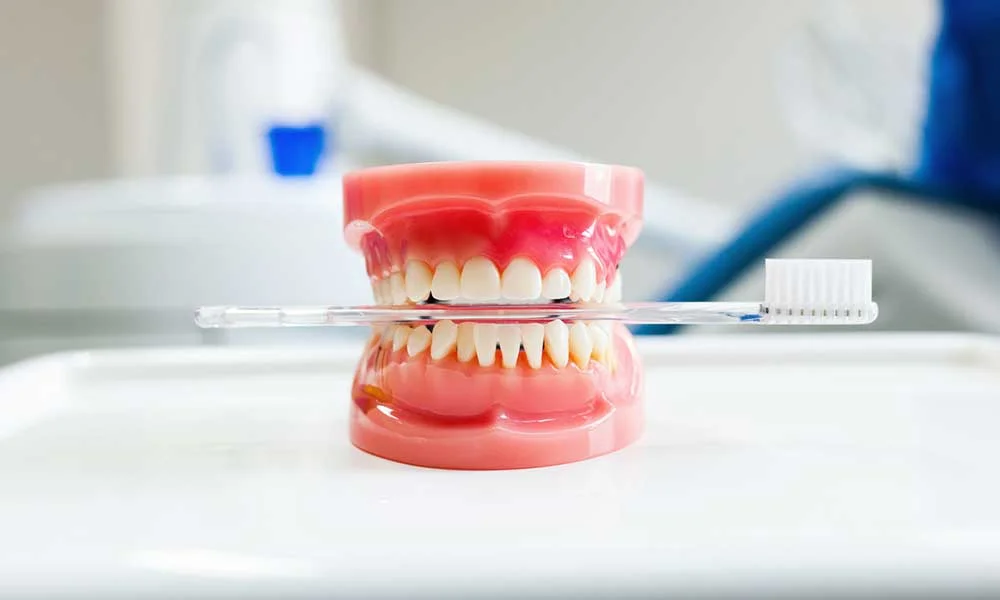
Use a soft-bristled toothbrush to clean your aligners morning and night.
Follow these steps:
Rinse the aligners
Apply a small amount of clear, non-abrasive soap
Brush gently on all surfaces
Rinse thoroughly before wearing
Avoid using regular toothpaste, as it can be abrasive and cause scratches that make the aligners look dull.
Best Cleaning Solutions to Use
Choosing the right cleaning method is essential to avoid damage.
Mild Liquid Soap
Clear antibacterial soap is one of the safest options.
It is:
Non-abrasive
Effective in removing bacteria
Easy to use daily
Make sure it is free from strong dyes or fragrances.
Invisalign Cleaning Crystals or Tablets
Specialized cleaning products are designed specifically for aligners.
They help to:
Remove stains
Eliminate odor
Maintain clarity
Use them once a day or a few times a week for deeper cleaning.
Diluted Vinegar Solution
A natural option for occasional cleaning.
Mix:
One part white vinegar
Three parts lukewarm water
Soak aligners for 10 to 15 minutes, then rinse thoroughly.
This helps remove buildup without harming the material.
What to Avoid While Cleaning
Using the wrong products or techniques can damage your aligners.
Toothpaste
Most toothpastes contain abrasive particles that scratch the surface of aligners. Scratches make them more visible and allow bacteria to stick more easily.
Hot Water
Heat can distort the shape of the aligners, making them ineffective. Always use lukewarm or cool water.
Colored or Scented Soaps
These can stain the aligners or leave an unpleasant taste in your mouth.
Harsh Chemicals
Avoid bleach, alcohol-based cleaners, or strong disinfectants. These can weaken the plastic and make the aligners unsafe to wear.
Deep Cleaning Routine
In addition to daily cleaning, a deeper cleaning routine helps maintain hygiene.
You can do this once every few days.
Steps include:
Soaking aligners in a cleaning solution for 15 to 20 minutes
Brushing gently afterward
Rinsing thoroughly before use
This removes stubborn buildup and keeps aligners fresh.
Cleaning While Traveling
Maintaining hygiene on the go is just as important.
Carry a small kit that includes:
A soft toothbrush
Travel-size clear soap
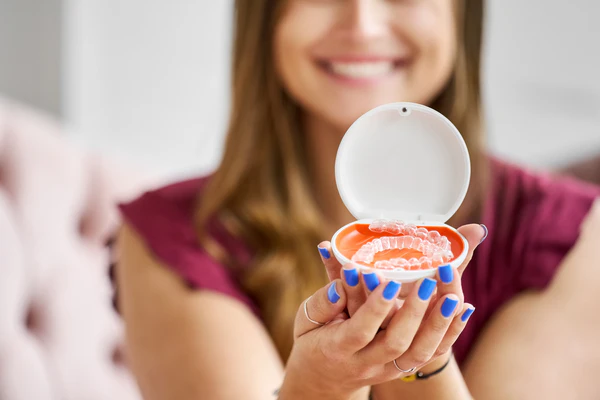
A protective case
If you cannot brush immediately, rinse your aligners with water and clean them properly as soon as possible.
Never wrap them in tissue, as this increases the risk of losing or contaminating them.
Additional Tips to Keep Aligners Clear
Clean Your Teeth Before Wearing Aligners
Always brush and floss before putting your aligners back in.
This prevents:
Food particles from getting trapped
Stains from forming inside the trays
Bacterial growth
Avoid Eating or Drinking with Aligners
Remove your aligners before eating or drinking anything other than water.
Colored beverages like coffee, tea, or soda can stain them quickly.
Store Them Properly
When not in use, keep your aligners in a clean, ventilated case.
Avoid leaving them exposed to open air, as this can lead to contamination.
Stay Hydrated
Drinking water regularly helps wash away bacteria and keeps your mouth fresh while wearing aligners.
Signs Your Aligners Need Better Cleaning
If you notice any of the following, it may be time to improve your cleaning routine:
Cloudy or dull appearance
Persistent odor
Visible buildup or stains
Unpleasant taste when wearing
Addressing these early prevents long-term damage and keeps your treatment hygienic.
How Cleaning Affects Treatment Success
Clean aligners are not just about appearance. They directly impact the effectiveness of your treatment.
Properly maintained aligners:
Fit better on your teeth
Apply consistent pressure
Reduce the risk of oral health issues
Damaged or poorly cleaned aligners can interfere with tooth movement and delay progress.
Final Thoughts
Cleaning Invisalign aligners is simple, but it requires consistency and the right approach. Gentle brushing, proper rinsing, and avoiding harsh products are key to maintaining their clarity and effectiveness.
By following a daily routine and using safe cleaning methods, you can keep your aligners looking invisible and working efficiently throughout your treatment.
Taking care of your aligners is just as important as wearing them. With the right habits, you ensure a smoother, healthier, and more successful Invisalign journey.