
You might be feeling pulled in two directions. On one hand, you want to fix a missing tooth, improve your smile, or finally deal with dental work you have put off. On the other, you may have heard stories that make implant and cosmetic care sound painful, risky, or only for people with a big budget. That tension is real, and it can leave you stuck. The short answer is this: many of the most common beliefs about implant and cosmetic dentistry are outdated or simply wrong, and understanding the facts can help you make a calmer, more confident choice about dental implants designed for lasting function in Boston.
When your smile affects how you eat, speak, or show up in photos, it is never just about looks. It can touch comfort, health, and self trust too. Because of that, the myths around treatment can feel heavier than they should. So, what are people getting wrong?
Is implant and cosmetic dental care only about appearance?
One of the biggest myths is that cosmetic treatment is just vanity, while implants are only a luxury. In real life, the line between appearance and function is often thin. A dental implant can replace a missing tooth, support chewing, and help keep nearby teeth from shifting. Cosmetic treatments such as crowns, bonding, or veneers can also restore worn or damaged teeth, not just change how they look.
If you have ever hidden your smile or chewed on one side of your mouth, you already know this goes beyond appearance. A missing or damaged tooth can affect confidence, speech, and daily comfort. Good care often aims to improve both function and appearance at the same time.
It also helps to remember that long term results depend on basic home care. The National Institute of Dental and Craniofacial Research offers clear guidance on oral hygiene habits that support natural teeth, restorations, and overall mouth health.
Do dental implants always hurt more than other treatments?
This myth keeps many people from even booking a consultation. People often imagine implant treatment as severe and hard to recover from. In truth, many patients say the process was easier than they expected. Discomfort varies, of course, but modern planning, local anesthesia, and aftercare have changed the experience a great deal.
The fear usually grows in the gaps, when you do not know what happens during placement, healing, and follow up visits. That unknown can make the whole thing feel worse before it even starts. But knowing the steps often lowers the stress. A dentist can explain whether you need one implant, whether bone support is an issue, and what recovery usually looks like in your case.
So, where does that leave you? Not with a promise of zero discomfort, because every mouth is different, but with a more realistic picture. Pain is not the automatic story many people have been told.
Are implants and cosmetic treatments too fragile to last?
Another common belief is that cosmetic work looks nice for a short time, then fails, stains, or chips right away. The truth is more balanced. No dental material lasts forever, but many restorations are made to be durable and natural looking when placed well and cared for properly.
Material choice matters here. Crowns, veneers, fillings, and implant restorations can be made from different substances, each with strengths and tradeoffs. If you want a better sense of how these options work, the NIDCR has a helpful overview of dental materials used in treatment.
That is why a good plan is personal. Someone who grinds their teeth at night may need a different solution than someone fixing one chipped front tooth. Someone replacing several missing teeth may compare implants with bridges or dentures. Treatment should fit your bite, habits, goals, and budget, not a myth or a trend.
Are dentures, implants, and cosmetic options all basically the same?
It is easy to lump everything together, especially when advice comes from ads, social media, or a friend who had a very different problem. But replacing or restoring teeth is not one size fits all. Dentures, implants, bridges, crowns, and veneers serve different needs.
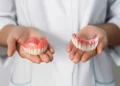
For example, removable dentures can be a practical option for some people, especially when several teeth are missing. If you are weighing that route, MedlinePlus has a plain language guide to dentures and how they work. Implants, by contrast, are placed in the jaw and can support single teeth or help stabilize other restorations. A cosmetic and implant dentist may recommend one or combine several approaches depending on your mouth.
| Option | Best For | Main Benefit | Key Consideration |
|---|---|---|---|
| Dental Implant | Replacing one or more missing teeth | Feels stable and helps support chewing | Healing time and bone support matter |
| Denture | Multiple missing teeth | Can restore appearance and basic function | May need adjustment over time |
| Crown or Veneer | Damaged, worn, or uneven teeth | Improves shape, strength, or appearance | Choice depends on tooth condition |
| Bonding | Small chips or gaps | Often quicker and less invasive | May not suit heavy bite pressure |
Does seeing an implant and smile restoration dentist mean committing right away?
This is one of the quieter myths, but it matters. Many people avoid a visit because they think a consultation locks them into treatment. It does not. A consultation is a chance to ask questions, understand your options, and learn what is urgent and what can wait.
That matters if cost has been weighing on you. A thoughtful dentist should be able to explain priorities. Maybe the first step is replacing a missing tooth. Maybe it is treating decay before any cosmetic work. Maybe the best move is to wait and monitor. A clear plan often lowers fear because it turns one big problem into smaller, manageable decisions.
What can you do right now if you feel unsure?
1. Write down your real goal. Do you want to chew without pain, replace a missing tooth, brighten your smile, or stop hiding your teeth in photos? When you know the goal, the right treatment becomes easier to sort out.
2. Ask for options, not just one answer. During a visit, ask what choices exist, how long each may last, what recovery is like, and what maintenance is needed. This is especially helpful when comparing a cosmetic dentist treatment with a more restorative approach.
3. Start with the basics at home. Brushing, flossing, and regular cleanings still matter more than most people think. Healthy gums and a clean mouth give any treatment a better chance of lasting well.
If you have been carrying around fear or confusion about your smile, you do not need to solve everything at once. Many myths about implants, restorations, and cosmetic care sound convincing until you look at your own needs and the actual facts. With the right guidance, you can move from guessing to understanding, and from putting it off to making a decision that feels right for you.