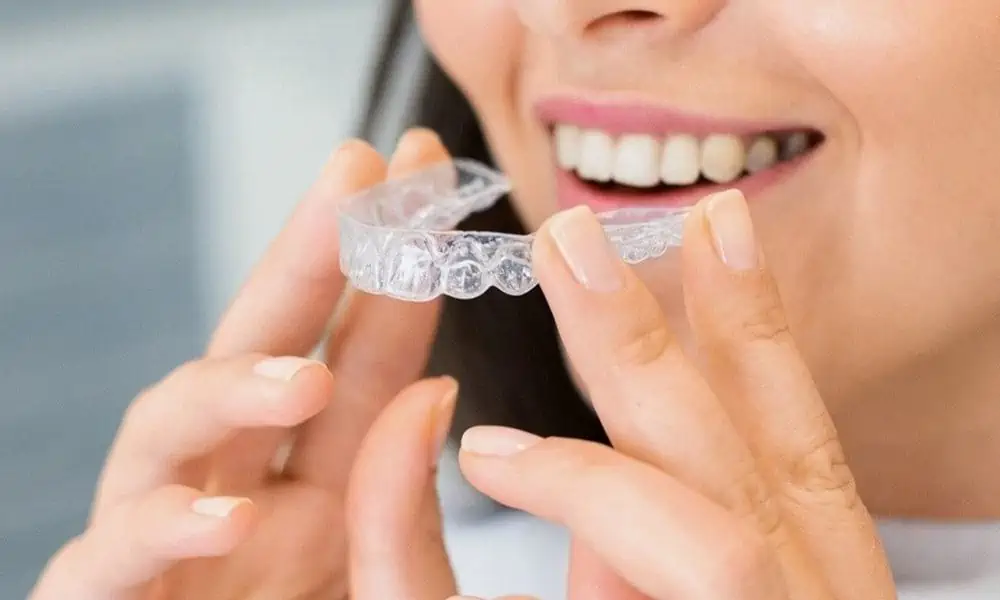

Invisalign has transformed orthodontic treatment by offering a discreet and comfortable way to straighten teeth. However, achieving the desired results within the expected timeline depends heavily on patient compliance and proper care. Many people unknowingly make small mistakes that can significantly delay progress.
Understanding these common errors and how to avoid them can help you stay on track and get the best possible results from your Invisalign treatment.
Why Invisalign Progress Depends on Your Habits
Unlike traditional braces, Invisalign aligners are removable. While this offers flexibility, it also places responsibility on the wearer. The aligners work by applying consistent, controlled pressure to shift teeth gradually. Any interruption in this process can slow down or even reverse progress.
Consistency, discipline, and proper maintenance are key to success.
1. Not Wearing Aligners for the Recommended Time
One of the most common mistakes is not wearing aligners for the required 20 to 22 hours per day.
Why it matters:
- Teeth need constant pressure to move effectively
- Inconsistent wear delays alignment
- It may lead to poor fit of the next set of aligners
Even missing a few hours daily can extend treatment time significantly.
2. Frequently Removing Aligners
While Invisalign aligners are removable, taking them out too often can disrupt progress.
Common situations:
- Removing them for snacking frequently
- Taking them out during social events and forgetting to reinsert
Each removal reduces the total wear time, affecting the treatment timeline.
3. Skipping Aligner Changes or Changing Too Early
Each aligner is designed to be worn for a specific duration, usually one to two weeks.
Mistakes include:
- Delaying the switch to the next aligner
- Changing aligners too early without dentist approval
Both can negatively impact tooth movement and overall results.
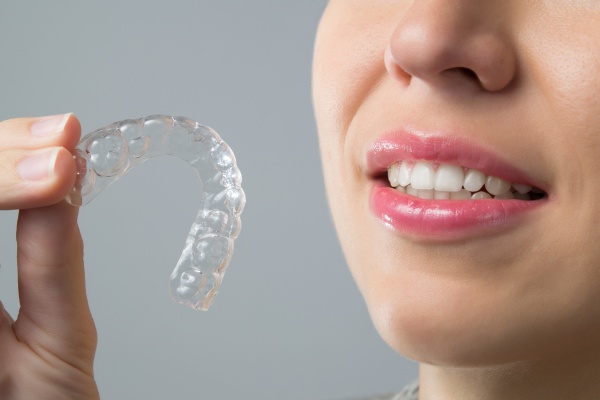
4. Poor Cleaning Habits
Not cleaning your aligners properly can lead to bacterial buildup and discomfort.
Effects on progress:
- Increased risk of oral infections
- Bad odor and plaque accumulation
- Reduced motivation to wear aligners consistently
Dirty aligners can also affect oral health, indirectly slowing treatment.
5. Eating or Drinking with Aligners On
Aligners should be removed before eating or drinking anything other than water.
Risks:
- Staining of aligners
- Warping due to heat from hot beverages
- Food particles getting trapped, leading to decay
This habit can compromise both hygiene and aligner effectiveness.
6. Not Using Chewies as Recommended
Chewies are small devices that help aligners fit snugly over teeth.
Why they are important:
- Ensure proper seating of aligners
- Improve contact between aligners and teeth
- Enhance effectiveness of tooth movement
Ignoring chewies can result in gaps between aligners and teeth, slowing progress.
7. Missing Dental Check-Ups
Regular check-ups allow your dentist to monitor progress and make necessary adjustments.
Consequences of skipping visits:
- Undetected issues with tooth movement
- Delayed corrections
- Extended treatment duration
Professional supervision is essential for timely progress.
8. Losing or Damaging Aligners
Misplacing or damaging aligners can interrupt treatment.
What happens:
- You may need to go back to a previous aligner
- Replacement aligners take time to arrive
- Treatment timeline gets extended
Proper storage and handling are crucial to avoid this issue.
9. Ignoring Attachments and Elastics
Some Invisalign treatments include attachments or elastics to improve effectiveness.
Mistakes include:
- Not wearing elastics as instructed
- Dislodging attachments and not getting them fixed
These components play a key role in guiding tooth movement.
10. Poor Oral Hygiene
Maintaining oral hygiene is essential during Invisalign treatment.
Risks of neglect:
- Gum inflammation
- Tooth decay
- Discomfort that discourages aligner use
Healthy teeth and gums support smoother and faster alignment.
11. Not Following Dietary Precautions
Although Invisalign allows more dietary freedom than braces, certain habits can still affect progress.
Common issues:
- Frequent snacking increases aligner removal time
- Sugary foods increase risk of decay if hygiene is poor
Maintaining a balanced and mindful diet supports better oral health.
12. Expecting Instant Results
Invisalign is a gradual process. Unrealistic expectations can lead to impatience and non-compliance.
Reality check:
- Tooth movement takes time
- Skipping steps will not speed up results
- Consistency is more important than speed
Understanding the process helps maintain motivation and discipline.
Tips to Keep Your Invisalign Treatment on Track
Stay Consistent
Wear your aligners for the recommended hours every day without fail.
Set Reminders
Use alarms or apps to remind you to reinsert aligners after meals.
Maintain Hygiene
Clean both your teeth and aligners regularly to prevent complications.
Follow Instructions
Adhere strictly to your dentist’s guidance regarding aligner changes, chewies, and elastics.
Keep Spare Aligners
If possible, keep your previous set as a backup in case of emergencies.
When to Contact Your Dentist
You should reach out to your dentist if:
- Your aligners no longer fit properly
- You experience persistent pain or discomfort
- You lose or damage an aligner
- You notice no progress over time
Early intervention can prevent delays and keep your treatment on schedule.
Final Thoughts
Invisalign offers a convenient and effective way to achieve a straighter smile, but its success depends largely on your daily habits. Small mistakes like inconsistent wear, poor hygiene, or skipping instructions can significantly slow down progress.
By staying disciplined, following professional advice, and maintaining proper care, you can ensure a smooth and timely Invisalign journey. The effort you invest today will lead to a confident and well-aligned smile in the future.