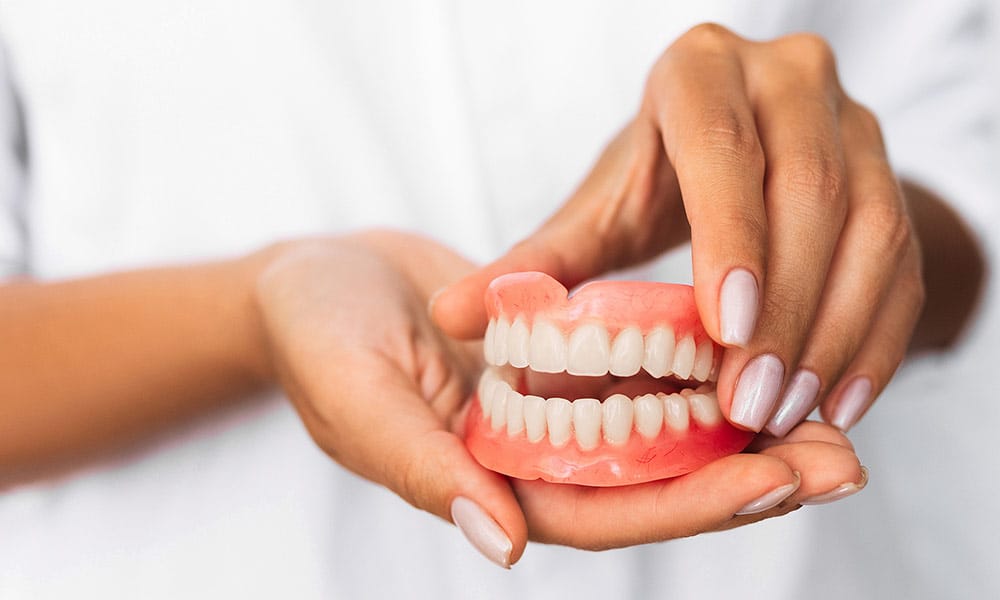

Choosing the right dentures is not just about replacing missing teeth. It is about comfort, confidence, and how natural they feel during everyday activities like eating, speaking, and smiling. One of the most common decisions patients face is whether to go for soft (flexible) dentures or hard (traditional acrylic) dentures.
Both options have their advantages, but the “more natural” feel depends on your oral condition, lifestyle, and long-term expectations. This guide breaks down everything you need to know in a clear, practical way.
Understanding Soft and Hard Dentures
Soft Dentures (Flexible Dentures)
Soft dentures are made from flexible materials such as nylon or thermoplastic. They adapt to the shape of your gums and move slightly with your mouth.
- Softer and cushioned feel
- Lightweight and less bulky
- Better suited for sensitive gums
- Blend naturally with gum color
They act like a shock absorber, reducing pressure and irritation on the gums.
Hard Dentures (Traditional Dentures)
Hard dentures are made from rigid acrylic or metal-based materials. They are more structured and designed for long-term use.
- Firm and stable structure
- Long-lasting and durable
- Maintain shape over time
- Provide strong chewing support
They are considered a more permanent solution once the mouth has fully adjusted.
Which Feels More Natural in Daily Life?
1. Initial Comfort and Adaptation
Soft dentures usually feel more natural in the beginning.
- They adapt quickly to your mouth
- Cause less irritation and soreness
- Ideal after extractions or for sensitive gums
Patients often report immediate comfort because of the cushioning effect.
Hard dentures, on the other hand:
- May feel stiff or bulky initially
- Require an adjustment period
- Can cause pressure spots if not perfectly fitted
👉 Verdict:
Soft dentures feel more natural at the start.
2. Stability While Eating and Speaking
Hard dentures win in long-term stability.
- Provide a firm grip while chewing
- Improve speech clarity
- Reduce movement inside the mouth
Soft dentures may feel comfortable but can sometimes:
- Shift slightly while eating
- Feel less secure for heavy chewing
👉 Verdict:
Hard dentures feel more natural during functional use over time.
3. Long-Term Comfort
Here is where many people get confused.
Soft dentures:
- Stay comfortable but wear out faster
- Can lose shape and support
- May require frequent replacements
Hard dentures:
- Maintain structure for years
- Provide consistent support
- Become comfortable once adjusted
👉 Verdict:
Hard dentures feel more natural in the long run because of stability and fit.
4. Gum Sensitivity and Pain
If you have sensitive gums, this factor is critical.
Soft dentures:
- Cushion sore or inflamed gums
- Reduce friction and pressure
- Ideal for healing stages
Hard dentures:
- Can irritate thin or sensitive tissue
- Need precise fitting to avoid discomfort
👉 Verdict:
Soft dentures feel more natural for sensitive mouths.
5. Appearance and Natural Look
Both types can look natural, but in different ways.
Soft dentures:
- Flexible base blends with gum color
- No visible metal clasps
- Often look more natural in partial dentures
Hard dentures:
- Custom-shaped teeth for a realistic smile
- Better structural aesthetics in full dentures
👉 Verdict:
Soft dentures often look more natural, especially for partial replacements.
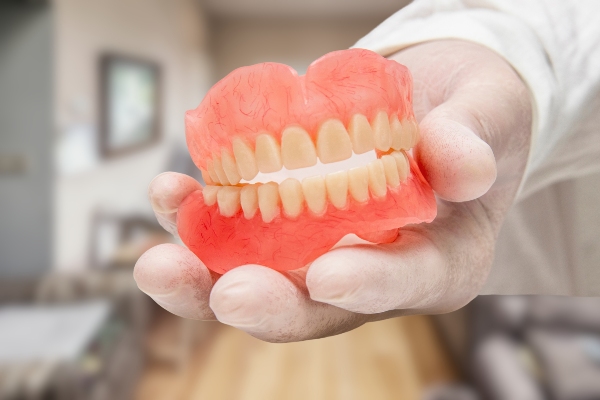
Key Differences at a Glance
| Factor | Soft Dentures | Hard Dentures |
|---|---|---|
| Feel | Cushioned, flexible | Firm, structured |
| Comfort (initial) | High | Moderate |
| Comfort (long-term) | Moderate | High |
| Stability | Lower | High |
| Durability | Short-term | Long-term |
| Best For | Sensitive gums | Daily heavy use |
When Should You Choose Soft Dentures?
Soft dentures are a better choice if:
- You have sore or sensitive gums
- You recently had tooth extractions
- You want immediate comfort
- You struggle with rigid dentures
They are often used as a temporary or transitional solution before switching to a harder base.
When Should You Choose Hard Dentures?
Hard dentures are ideal if:
- Your gums are healthy and stable
- You want a long-term solution
- You need strong chewing support
- You prefer durability over flexibility
They are generally recommended for long-term daily use once your mouth has adapted.
Can You Combine Both?
Yes, and this is becoming more common.
Many dentists recommend:
- Starting with soft dentures during healing
- Transitioning to hard dentures later
In some cases, hybrid dentures combine both materials to balance comfort and stability.
Final Verdict: Which Feels More Natural?
The answer depends on what “natural” means to you:
- For immediate comfort: Soft dentures feel more natural
- For daily function and long-term use: Hard dentures feel more natural
- For sensitive gums: Soft dentures are better
- For stability and durability: Hard dentures are better
👉 Best overall approach:
Most people benefit from starting with soft dentures and eventually switching to hard dentures for long-term daily use.
Final Thoughts
There is no one-size-fits-all answer. The most natural-feeling denture is the one that fits your mouth properly and suits your lifestyle.
Modern dentistry allows customization, so your dentist can adjust materials, fit, and structure to match your needs. Regular check-ups and adjustments are essential to maintain comfort and function.
If your dentures feel unnatural, loose, or uncomfortable, it is not something you have to live with. The right combination of material and fit can completely transform your daily experience.