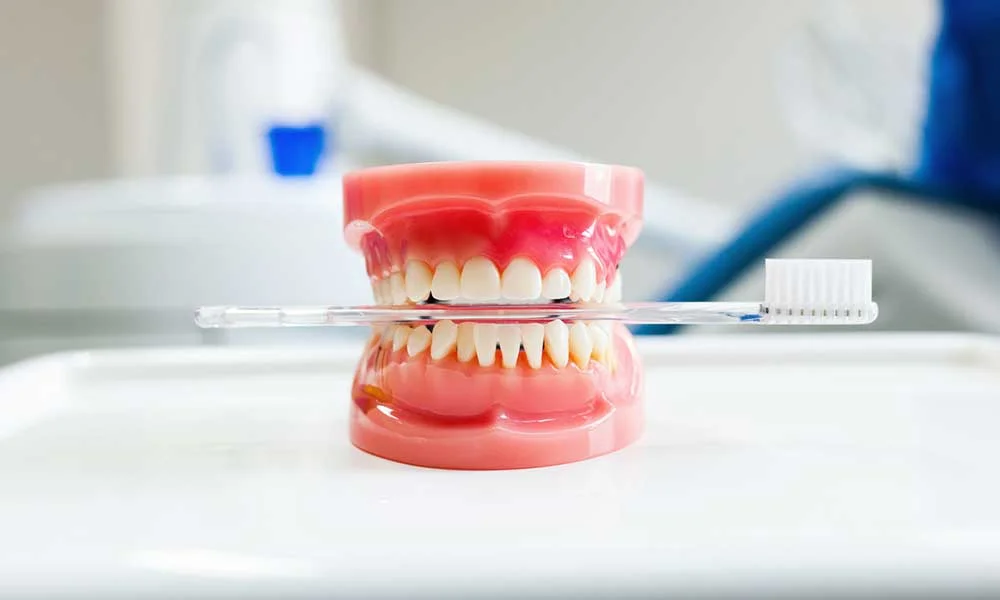

Dental scaling is one of the most important preventive treatments for maintaining oral health. It involves removing plaque, tartar, and bacteria from the teeth and below the gumline. While many people assume scaling is needed only once or twice a year, the ideal frequency actually depends on your lifestyle, habits, and overall oral condition.
Understanding how your daily routine affects plaque buildup can help you determine how often you should schedule scaling for optimal oral health.
What Is Dental Scaling
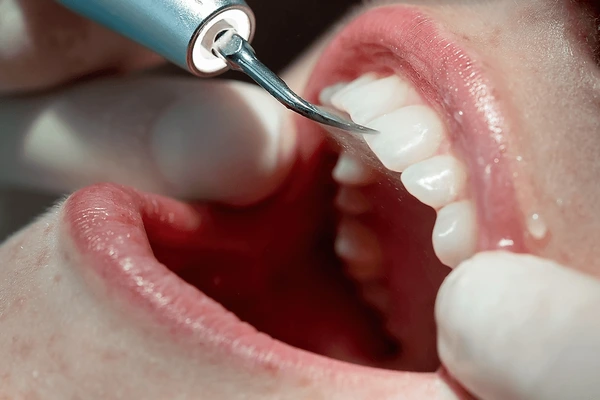
Dental scaling is a professional cleaning procedure performed by a dentist or hygienist. It goes beyond regular brushing and flossing by targeting hardened plaque, also known as tartar, that cannot be removed at home.
Scaling helps to:
Prevent gum disease
Reduce bad breath
Protect tooth enamel
Maintain healthy gums
It is often combined with polishing to smooth the tooth surface and reduce future plaque buildup.
Why Frequency Matters
Plaque begins forming on teeth within hours after cleaning. If not removed, it hardens into tartar within a few days. Tartar buildup can lead to:
Gum inflammation
Bleeding gums
Gum recession
Tooth loss in severe cases
The speed of this buildup varies from person to person, which is why scaling frequency is not the same for everyone.
Standard Recommendation
For individuals with good oral hygiene and no major dental issues, scaling is typically recommended every 6 months.
This routine helps to:
Control plaque buildup
Detect early dental problems
Maintain long-term oral health
However, this is only a general guideline. Your lifestyle can significantly change this timeline.
Lifestyle Factors That Affect Scaling Frequency
1. Smoking or Tobacco Use
Smoking increases plaque and tartar buildup and reduces blood flow to the gums.
If you smoke:
You may need scaling every 3 to 4 months
You have a higher risk of gum disease
Stains and deposits form more quickly
Frequent cleanings help counteract these effects and maintain gum health.
2. Diet and Eating Habits
Your food choices directly impact plaque formation.
High sugar and processed foods:
Promote bacterial growth
Increase acid production
Accelerate plaque buildup
If your diet includes frequent snacking or sugary drinks, scaling may be needed every 3 to 4 months.
On the other hand, a balanced diet with fiber-rich foods supports better oral health and may allow for less frequent scaling.
3. Oral Hygiene Routine
Your daily habits play a major role.
If you:
Brush twice daily
Floss regularly
Use mouthwash
You may only need scaling every 6 months.
If your oral hygiene is inconsistent, plaque accumulates faster, requiring more frequent professional cleaning.
4. Gum Health Condition
People with gum issues require more frequent care.
Signs include:
Bleeding gums
Swelling or tenderness
Bad breath
If you have gingivitis or early gum disease, scaling may be recommended every 3 months.
For advanced conditions, deep cleaning procedures may also be required.
5. Coffee, Tea, and Staining Habits
Frequent consumption of beverages like coffee or tea leads to staining and plaque buildup.
If you consume these daily:
You may need scaling every 4 to 6 months
Stains can harden into tartar over time
Regular cleaning helps maintain both aesthetics and hygiene.
6. Medical Conditions
Certain health conditions can affect oral health.
Diabetes, for example:
Increases the risk of gum infections
Slows healing
Promotes bacterial growth
People with such conditions may need scaling every 3 to 4 months as part of their overall health management.
7. Orthodontic Treatment
If you are wearing braces or aligners:
Cleaning becomes more challenging
Food particles can get trapped easily
Plaque accumulates faster
Scaling may be required every 3 to 4 months during treatment to prevent complications.
Signs You May Need Scaling Sooner
Even if you follow a schedule, certain symptoms indicate that you may need scaling earlier.
Watch for:
Persistent bad breath
Yellow or brown deposits near the gums
Bleeding while brushing
Gum sensitivity or swelling
Ignoring these signs can lead to more serious dental issues.
What Happens During Scaling
The procedure is simple and usually painless.
Your dentist will:
Use specialized tools to remove tartar
Clean above and below the gumline
Polish the teeth for a smooth finish
In some cases, ultrasonic devices are used for more efficient cleaning.
The entire process typically takes 30 to 60 minutes.
Does Frequent Scaling Damage Teeth
This is a common misconception.
When performed professionally, scaling:
Does not damage enamel
Does not loosen teeth
Is completely safe
In fact, it protects your teeth by removing harmful buildup that can cause long-term damage.
How to Extend the Time Between Scaling
While lifestyle plays a role, you can take steps to reduce the frequency needed.
Maintain proper oral hygiene
Limit sugary and acidic foods
Drink water after meals
Use a soft-bristled toothbrush
Visit your dentist regularly
These habits slow down plaque accumulation and support overall oral health.
Personalized Scaling Schedule
The best approach is to follow a schedule tailored to your needs.
Here is a quick reference:
Low-risk individuals: Every 6 months
Moderate risk: Every 4 to 6 months
High risk (smokers, gum disease, braces): Every 3 to 4 months
Your dentist will evaluate your condition and recommend the most suitable interval.
Final Thoughts
Dental scaling is not a one-size-fits-all routine. Your lifestyle, habits, and oral health condition determine how often you need it.
Regular scaling is essential not just for a clean smile but for preventing serious dental problems. By understanding your risk factors and maintaining good habits, you can keep your teeth and gums healthy for the long term.
If you are unsure about your ideal scaling schedule, a professional dental check-up is the best place to start. A personalized plan ensures that your oral health stays on track without unnecessary treatments.