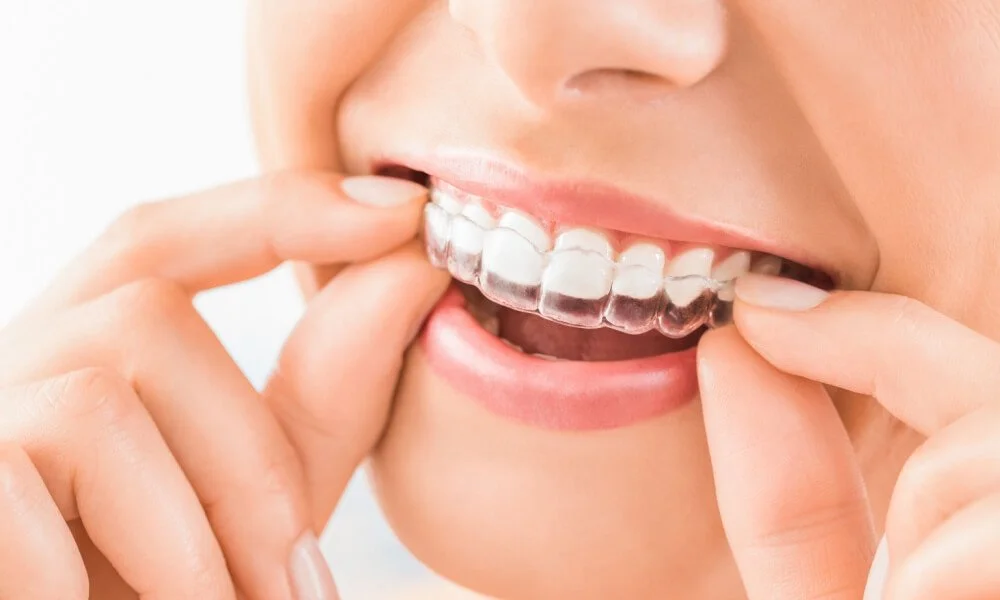

If you are using Invisalign, you have likely noticed that your trays feel tighter at night than they do during the day. This sensation can be surprising, especially if your aligners felt comfortable earlier. However, in most cases, this tightness is completely normal and even a positive sign that your treatment is working.
Understanding why this happens can help you stay consistent with your aligners and avoid unnecessary concern.
Why Invisalign Trays Feel Tight
Invisalign works by applying controlled pressure to your teeth, gradually moving them into the desired position. Each new set of trays is designed to make slight adjustments, and that pressure is what creates the feeling of tightness.
At night, several factors combine to make this sensation more noticeable.
1. Reduced Jaw Movement During Sleep
During the day, you are constantly talking, chewing, and moving your jaw. These movements help distribute the pressure of the aligners and make them feel less tight.
At night:
Your jaw remains mostly still
There is no chewing or speaking
The trays sit in a fixed position for hours
Because of this, the pressure from the aligners becomes more concentrated, making them feel tighter than usual.
2. Teeth Start Responding to Pressure
Teeth movement is a biological process. Invisalign trays apply gentle force that stimulates the bone around your teeth to remodel.
This process becomes more noticeable when:
You are wearing trays continuously for long periods
Your body is in a resting state
There are fewer distractions
At night, your teeth are actively responding to the aligners, which can increase the sensation of tightness or pressure.
3. Slight Tooth Rebound During the Day
If you remove your aligners for meals or drinks, your teeth can slightly shift back toward their original position. This is called minor relapse or rebound.
By the time you put your trays back in, especially in the evening:
The aligners need to reapply pressure
Your teeth resist slightly at first
You feel increased tightness
This is one of the most common reasons people notice discomfort at night.
4. Switching to a New Set of Trays
Most Invisalign users change aligners every 7 to 14 days. When you switch to a new set, the trays are tighter because they are designed to move your teeth further.
If you insert a new tray in the evening:
The pressure is strongest during the first few hours
You notice it more when lying down
The tightness can feel more intense at night
This is completely expected and usually settles within a day or two.
5. Increased Awareness at Night
At night, there are fewer distractions. You are not eating, talking, or focusing on daily tasks.
This makes you more aware of:
Pressure in your teeth
Minor discomfort
Changes in your bite
What feels normal during the day may feel more noticeable at night simply because your mind is focused on it.

Is Tightness a Good Sign
Yes, in most cases, tight Invisalign trays are a positive sign.
It means:
The aligners are fitting correctly
Your teeth are moving as planned
The treatment is progressing effectively
A snug fit is necessary for Invisalign to work properly. Loose trays, on the other hand, may indicate poor fit or inconsistent wear.
When Tightness Becomes a Concern
While mild tightness is normal, certain symptoms may require attention.
Watch out for:
Severe or sharp pain
Trays that do not fully seat on your teeth
Persistent discomfort beyond 3 to 4 days
Visible gaps between teeth and aligners
If you notice any of these, it is best to consult your dentist or orthodontist.
How to Reduce Night-Time Tightness
There are simple ways to manage the discomfort and make your Invisalign experience more comfortable.
Wear Your Aligners Consistently
Invisalign should be worn for 20 to 22 hours a day. Consistent wear reduces the chances of tooth rebound and keeps pressure more even.
Switch Trays at Night
Many dentists recommend starting a new set of aligners at night.
This allows:
Initial tightness to occur while you sleep
Your mouth to adjust gradually
Less awareness of discomfort
Use Chewies
Chewies are small, soft tools that help seat your aligners properly.
They can:
Improve tray fit
Reduce uneven pressure
Make the aligners feel more comfortable
Stay Hydrated
Dry mouth can make aligners feel more uncomfortable. Drinking enough water helps maintain comfort and oral health.
Manage Mild Discomfort
If needed, you can use mild pain relief recommended by your dentist. However, avoid overusing medication and focus on natural adaptation.
How Long Does the Tightness Last
Tightness is usually temporary.
You may experience it:
For a few hours after inserting trays
During the first 1 to 2 days of a new aligner
Occasionally at night throughout treatment
As your teeth adjust, the pressure reduces and the trays feel more comfortable.
The Science Behind Invisalign Pressure
Invisalign uses controlled force to move teeth through a process called bone remodeling.
This involves:
Breaking down bone in the direction of movement
Rebuilding bone to support the new position
Gradually shifting teeth into alignment
The tight feeling you experience is part of this natural and necessary process.
Tips for a Smoother Invisalign Journey
To make your treatment more comfortable overall:
Follow your wear schedule strictly
Clean your aligners regularly
Avoid skipping aligner days
Attend regular dental check-ups
Consistency is the key to both comfort and results.
Final Thoughts
Feeling tightness in your Invisalign trays at night is not something to worry about. In fact, it often means your aligners are doing exactly what they are supposed to do.
The combination of reduced movement, increased awareness, and active tooth shifting makes the sensation more noticeable at night. As long as the discomfort is mild and temporary, it is a normal part of the process.
If the tightness ever feels excessive or unusual, do not hesitate to seek professional advice. With proper care and consistency, Invisalign treatment can be both effective and comfortable.