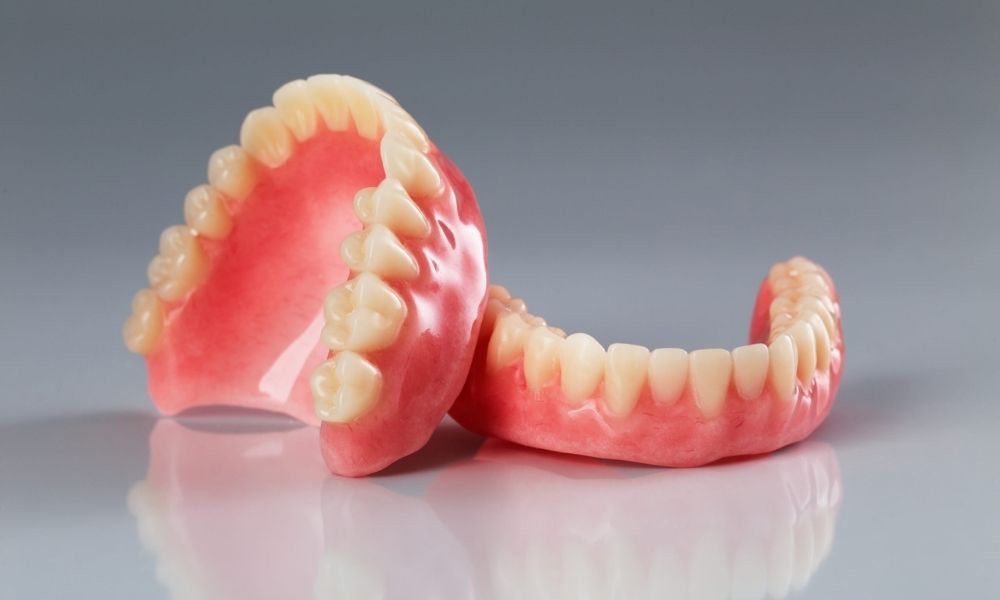

Dentures are designed to restore function, comfort, and confidence after tooth loss. However, many people notice that their dentures start feeling loose just a few months after getting them. This can be frustrating, especially when they initially fit perfectly. The good news is that this issue is common and manageable once you understand the reasons behind it and the available solutions.
Why Do Dentures Become Loose Over Time?
1. Natural Bone Resorption
One of the primary reasons dentures become loose is bone resorption. After teeth are removed, the jawbone no longer receives stimulation from tooth roots. As a result, the bone gradually shrinks. This process is most active in the first 6 to 12 months after tooth extraction, which explains why dentures may feel loose relatively quickly.
2. Gum Tissue Changes
Your gums also change shape over time. As swelling from tooth extraction subsides and tissues heal, the initial fit of your dentures may no longer match the contours of your mouth.
3. Wear and Tear of Dentures
Daily use can lead to minor wear in denture materials. Even small changes in the denture base can affect how securely it fits against your gums.
4. Weight Loss or Health Changes
Significant weight loss or medical conditions can alter the structure of your face and gums. This can impact how your dentures sit in your mouth.
5. Improper Maintenance
Not cleaning or storing dentures properly can cause warping or damage, leading to a poor fit over time.
Signs Your Dentures Are Too Loose
It is important to recognize when your dentures are no longer fitting properly. Common signs include:
- Frequent slipping or movement while speaking or eating
- Difficulty chewing certain foods
- Sore spots or irritation on the gums
- Clicking sounds while talking
- Needing to use excessive adhesive to keep dentures in place
Ignoring these signs can lead to discomfort and even infections, so early action is essential.
How to Fix Loose Dentures
1. Denture Relining
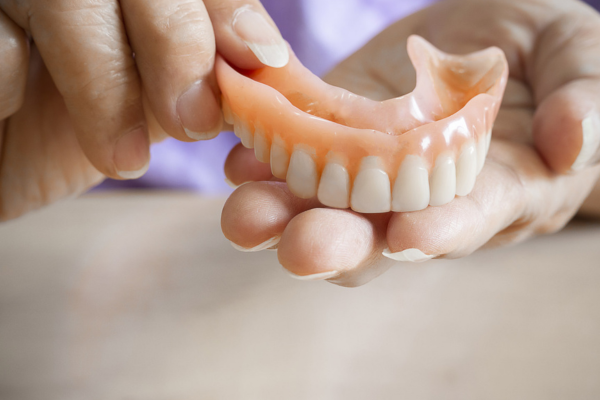
Relining is one of the most common solutions. In this procedure, your dentist reshapes the underside of your denture to better fit your current gum structure. There are two types:
- Soft reline: Uses a pliable material for added comfort
- Hard reline: Uses a more durable material for long-term fit
Relining can significantly improve stability without requiring a completely new denture.
2. Denture Rebasing
If the denture teeth are still in good condition but the base has worn out, rebasing may be recommended. This involves replacing the entire base while keeping the existing teeth intact.
3. Denture Adhesives
Adhesives can provide temporary support by improving grip and reducing movement. While they are helpful, they should not be seen as a permanent solution for ill-fitting dentures.
4. Implant-Supported Dentures
For a more stable and long-term option, implant-supported dentures are highly effective. Dental implants act as anchors, holding the denture securely in place and preventing bone loss.
5. Getting New Dentures
If your dentures are several years old or significantly worn, your dentist may recommend replacing them. New dentures will be designed based on your current oral structure, ensuring a better fit and improved comfort.
How to Prevent Dentures from Becoming Loose
While some changes are unavoidable, you can take steps to slow down the process and maintain a better fit.
Maintain Regular Dental Visits
Routine check-ups allow your dentist to monitor changes in your mouth and make timely adjustments.
Practice Proper Denture Care
Clean your dentures daily using a soft brush and recommended cleaning solutions. Avoid hot water, which can warp the material.
Handle Dentures Carefully
Dropping dentures or using excessive force while cleaning can damage their structure.
Maintain a Balanced Diet
A healthy diet supports gum health and overall oral stability. Avoid extremely hard or sticky foods that may strain your dentures.
Consider Early Relining
If you recently got dentures, your dentist may recommend an early reline within the first few months to adjust for initial healing changes.
When Should You See a Dentist?
You should consult your dentist if:
- Your dentures feel loose even after using adhesives
- You experience persistent pain or irritation
- You have difficulty eating or speaking
- Your dentures are more than 5 years old
Early intervention can prevent complications and improve your overall oral health.
The Importance of Properly Fitting Dentures
Well-fitting dentures are essential not just for comfort but also for your overall health. Loose dentures can cause sores, infections, and difficulty in eating, which may affect nutrition. They can also impact speech and self-confidence.
Modern dentistry offers multiple solutions to ensure your dentures remain comfortable and functional. From relining to implant-supported options, there are effective ways to restore stability and improve your quality of life.
Final Thoughts
Loose dentures are a common issue, especially in the months following tooth extraction. Understanding the causes such as bone loss, gum changes, and daily wear helps you take the right steps toward fixing the problem. With proper care, regular dental visits, and timely adjustments, you can maintain a secure and comfortable fit for years.
If you are experiencing discomfort or instability, do not ignore it. Simple solutions are often available, and addressing the issue early can save you time, money, and unnecessary discomfort.